
State-to-State Auto Transport offers a convenient solution for moving vehicles between locations in different U.S. states. Whether you're relocating, purchasing a car online, or planning a seasonal move, Auto Simple Shipping helps you explore long-distance vehicle shipping options that fit your transportation requirements.
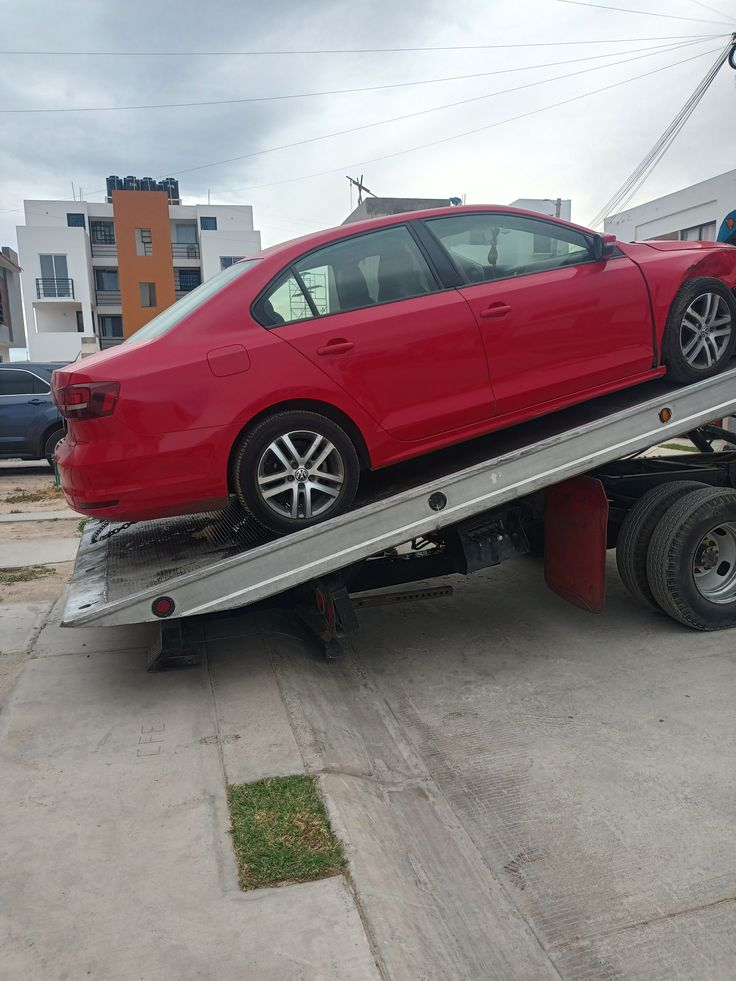
Moving a vehicle between states can involve considerable planning, especially when the destination is hundreds or thousands of miles away.
Driving the vehicle yourself may require additional travel expenses, hotel stays, fuel costs, and time away from work or family responsibilities.
Auto Simple Shipping helps customers explore State-to-State Auto Transport solutions that make long-distance vehicle transportation more manageable.
Whether you’re moving to a new home, purchasing a vehicle from an out-of-state dealership, or arranging transportation for a family member, interstate car shipping provides an alternative to driving the entire distance yourself.
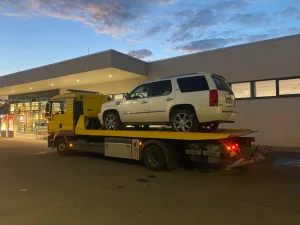
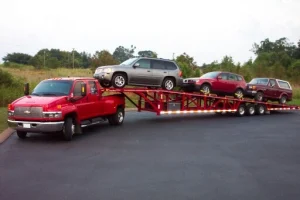
State-to-State Auto Transport is the process of transporting a vehicle from one U.S. state to another using an appropriate vehicle carrier.
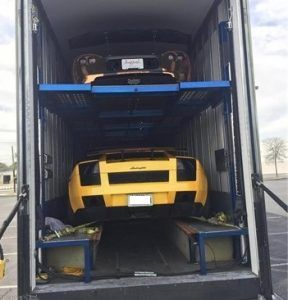
Depending on the shipment, transportation may involve open or enclosed trailers, door-to-door pickup and delivery, or other agreed arrangements.
Interstate vehicle shipping can accommodate many types of eligible passenger vehicles, including sedans, SUVs, crossovers, pickup trucks, and specialty automobiles.
The most suitable transport method depends on the vehicle’s size, condition, value, and handling requirements.
For example, a standard family sedan may be suitable for open carrier shipping, while a classic or luxury vehicle may benefit from enclosed transportation.
1. Avoid Long-Distance Driving
Driving across multiple states can be tiring and time-consuming.
By arranging vehicle transportation, you can reduce the need to spend long hours behind the wheel and focus on other travel or relocation responsibilities.
2. Reduce Additional Mileage
Every long-distance trip adds mileage and normal wear to a vehicle.
Shipping your car can help preserve its mileage and avoid the wear associated with driving it to the destination.
3. Simplify Relocations
Moving to a new state often involves coordinating household belongings, travel arrangements, housing, and employment responsibilities.
Using a vehicle carrier allows you to plan automobile transportation separately from your personal travel.
4. Support Out-of-State Vehicle Purchases
Buying a vehicle from another state may provide access to a wider selection of models, specifications, or sellers.
State-to-State Auto Transport can help arrange delivery of an eligible vehicle from the seller’s location to your preferred destination.
5. Convenient Seasonal Transportation
Seasonal residents may need to move their vehicles between homes at different times of the year.
Interstate auto shipping offers an alternative to making the same long-distance drive each season.
The process begins with a quote request.
Provide your vehicle’s make, model, year, pickup city and state, destination city and state, and preferred shipping dates.
You should also disclose whether the vehicle is operable and whether it has any modifications that could affect loading.
Next, review the available transportation method, quoted price, estimated schedule, and service terms.
Once the shipment is arranged, prepare your vehicle for collection.
At pickup, the carrier should document the vehicle’s condition and complete the necessary paperwork.
The vehicle then travels along the assigned interstate route.
Long-distance transport schedules may be affected by weather, traffic, regulatory requirements, road conditions, and other pickups or deliveries.
At the destination, the receiving party should inspect the vehicle and complete the delivery documentation.
Transit time depends primarily on distance and route conditions, but several other factors can influence the schedule.
Carrier availability, pickup and delivery locations, weather, road closures, and seasonal demand may affect timing.
For planning purposes, a relatively short interstate shipment may take only a few days in transit, while cross-country transportation may take a week or longer.
These are general estimates, not guaranteed delivery commitments.
Pickup windows and delivery estimates should be confirmed when arranging your shipment.
If you have a specific deadline, discuss it before booking so that available options and limitations can be reviewed.
State-to-state car shipping rates are influenced by several variables.
Distance is a major factor because longer routes generally involve more fuel, driver time, and operating expenses.
Vehicle size and weight also matter. Larger vehicles may require more trailer space and can affect carrier capacity.
Open transportation is generally more economical than enclosed shipping.
Seasonal demand can influence prices, especially on routes popular with people moving between northern and southern states.
Pickup and delivery accessibility also affects cost. Major transportation corridors may offer different carrier availability than remote areas.
Providing flexible shipping dates may increase the number of available transportation options, although savings are not guaranteed.
When transporting a vehicle across state lines, you may be able to choose between open and enclosed carriers.
Open shipping is often suitable for everyday vehicles and customers who prioritize affordability.
Enclosed shipping provides additional protection from road debris and outdoor conditions, making it worth considering for luxury, vintage, or specialty vehicles.
The right choice depends on your vehicle’s requirements, budget, and preferences.
Auto Simple Shipping can help you explore the differences before selecting an option.
Before interstate transportation, clean your vehicle and photograph its current condition.
Remove loose personal belongings and secure removable accessories.
Check the tires, battery, and fluid levels. Inform the transportation coordinator about leaks, mechanical problems, or modifications.
Maintain approximately one-quarter tank of fuel unless the carrier instructs otherwise.
Make sure the pickup and delivery contacts are available during the agreed windows.
Keep your shipping paperwork and important contact information accessible throughout the transportation process.
At Auto Simple Shipping, our goal is to make long-distance vehicle transportation easier to understand and arrange.
We focus on clear communication, practical shipping choices, and helping customers prepare for the transportation process.
From planning an interstate relocation to arranging delivery of an out-of-state vehicle purchase, we aim to provide helpful guidance throughout the experience.
Planning to move a vehicle to another state? Explore your transportation options with Auto Simple Shipping.
Call (302) 865-7169 or request your personalized quote online.
Find answers to some common questions about car shipping and vehicle transportation.
Car shipping costs depend on factors such as distance, vehicle size, pickup and delivery locations, shipping method, seasonal demand, and scheduling flexibility. Request a personalized quote from Auto Simple Shipping for pricing based on your specific transportation needs.
Delivery times vary depending on route distance, carrier availability, traffic, weather, and scheduling requirements. Shorter routes may take a few days, while cross-country transportation often requires a longer transit window. Your shipping arrangements should identify the estimated pickup and delivery periods.
Open transport is a popular, generally more affordable option for everyday vehicles. Enclosed transport provides additional protection from outside elements and is often preferred for luxury, classic, exotic, or collectible vehicles. The best option depends on your vehicle and budget.
You or an authorized adult representative should generally be available to hand over and receive the vehicle, participate in the condition inspection, and sign the necessary documentation. Confirm identification and authorization requirements before pickup.
Clean your vehicle, remove loose personal belongings, photograph its condition, check for fluid leaks, and ensure the battery and tires are in suitable condition. Leave approximately one-quarter tank of fuel unless your carrier provides different instructions. Disclose any mechanical problems or modifications before booking.